
Advances in technology put everything within your reach. Broadcast TV, Commercial Agencies, and Hollywood filmmakers still spend thousands, if not millions, on cameras, lighting, and sound in order to capture their films. This equipment then requires them to engage operators with extensive technical expertise and immense craft skills to operate it.
Nothing wrong in doing what they do but if you are making your first film you need to understand that this approach comes from a ‘mindset’ that stems from a time gone by where the tech meant it was the only way of doing things.
If it is still happening today it's mostly because people, inherently, still believe that - bigger budget + bigger camera + bigger crew = bigger and better film.
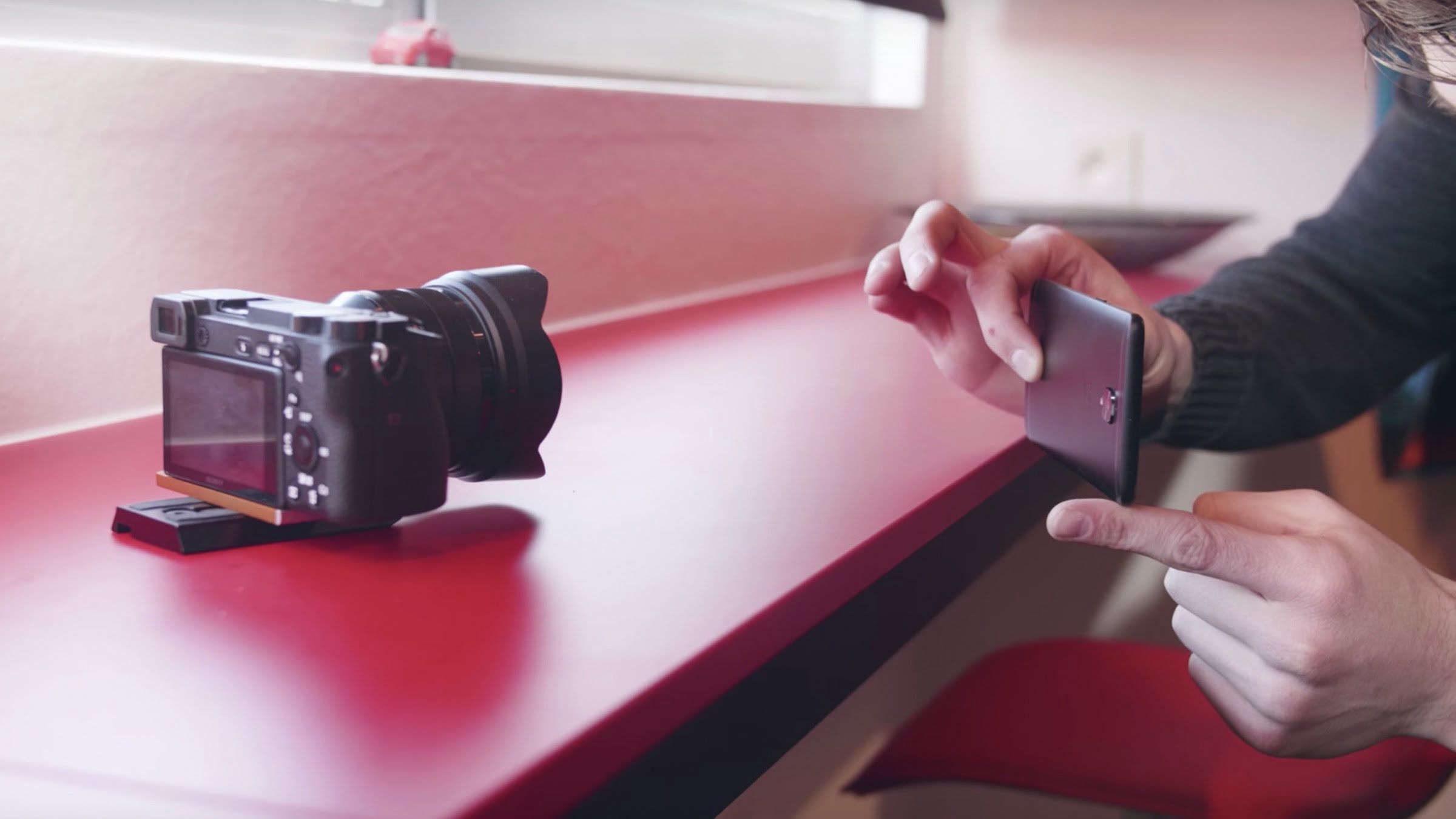
You, however, live in a time where advances in technology mean you can adopt a different ‘mindset’ if you want to.
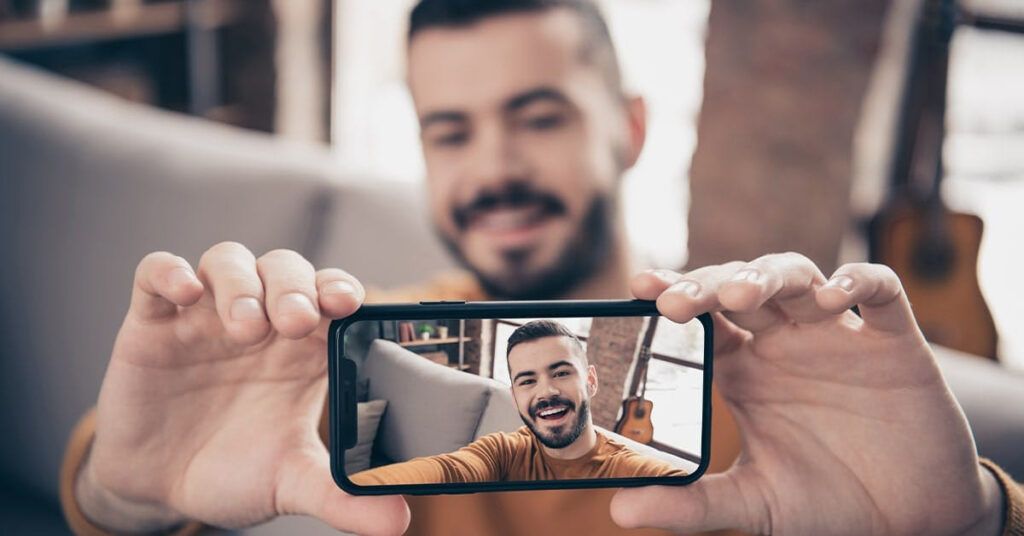
Truly you only need a mobile phone to get started, because now mobile phones such as the iPhone 12 Pro Max give you four different cameras in one device, records your sound, records your footage, allows you to control the picture quality settings and they are so easy to use that you can start filming from their unboxing.
In making things easier for you, the builders of mobile phones have also made a lot of quality decisions on your behalf. Mostly, they are good decisions and produce great results with minimum effort on your part but they may not be what you want for your film.
To have more quality control and make the creative choices that you want, there are lots of options for you to consider - but only when you are ready to do so.
Quality of your picture
FiLMiC Pro is a software package that you can purchase, install onto your phone and it will give you all the manual control you will ever need; white balance, ISO, frame rates, focus, resolution, exposure settings and much more will all be under your control if you want it.
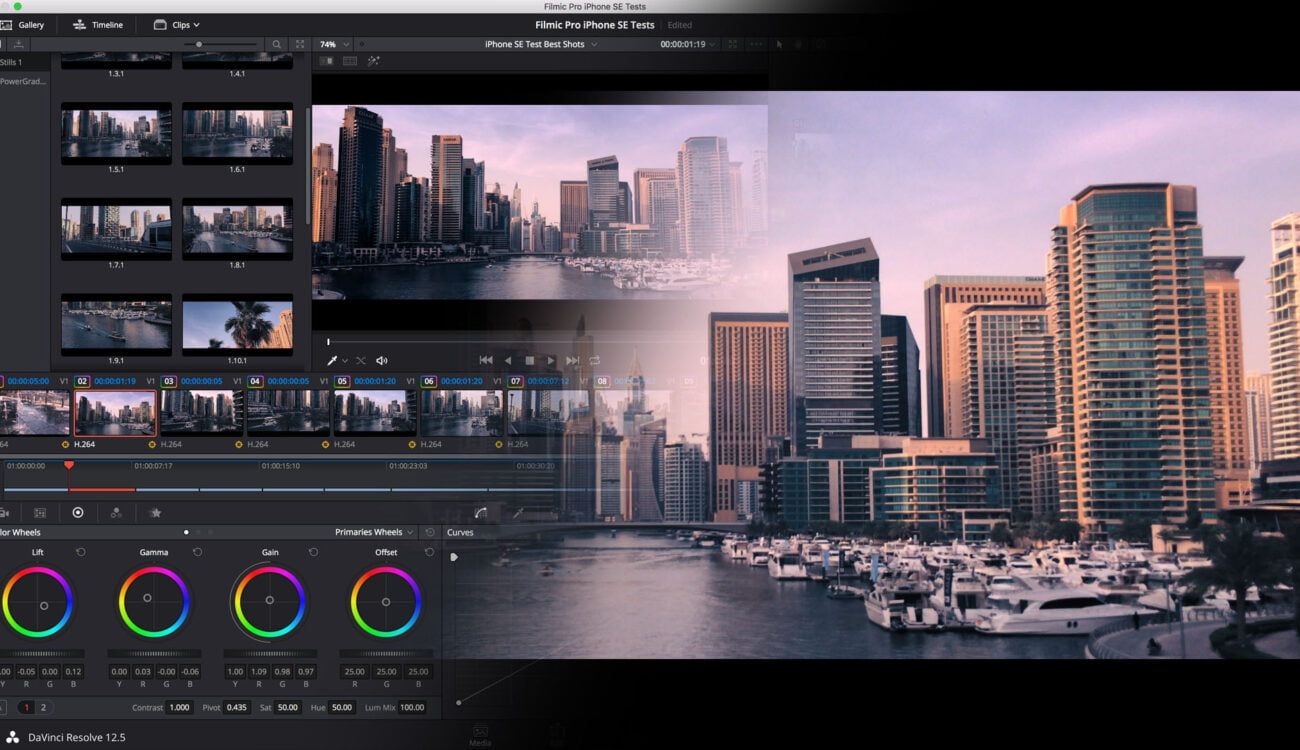
Like all software, FiLMiC Pro will take you a bit of familiarisation but for those who want to have full creative control over their shots, this learning curve is essential. FiLMiC Pro is not alone in the marketplace and you should always check out similar software to find the one that's best suited for you when making your first film.
Quality of your sound
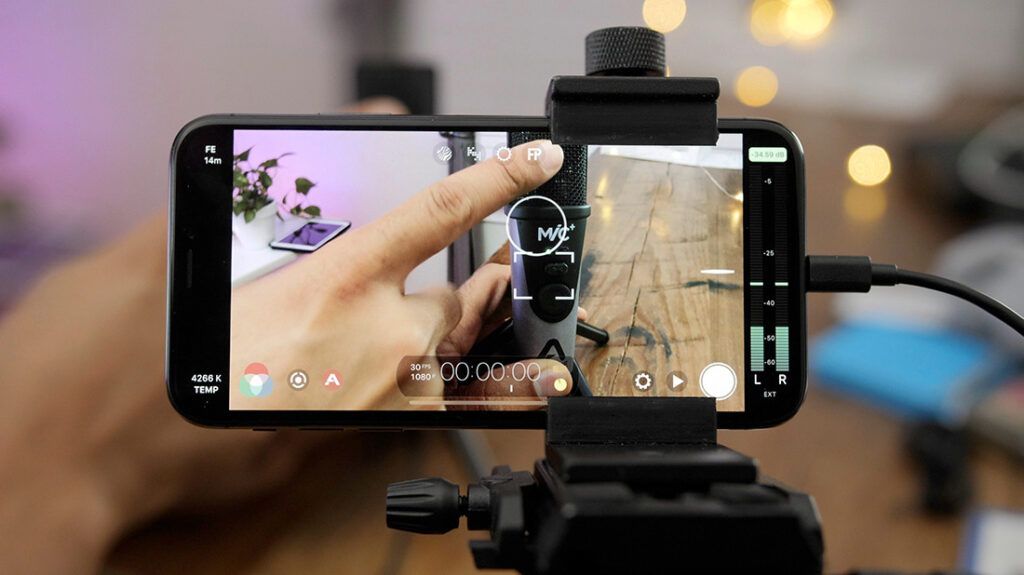
Although the native sound recording of the iPhone 12 Pro Max is good it can be improved by adding an external microphone to your mobile phone. Make sure you have the right connector to plug your microphone of choice directly into your device e.g. with the iPhone 12 Pro Max you need to have a lighting connector on the end of your microphone lead in order to get the sound into your phone.
FiLMiC Pro has a good range of audio quality controls built into its software and these will help you capture sound the way you want them to.
Quality camera movement
Mobile phones all have built-in stabilization that helps keep things steady when you are shooting video on the move but a lot depends on just how you want to move. This is such a handy advancement for when you are making your first film.
Handheld is one way of introducing movement to your shots. It's when you are holding your phone in your hand and are simply walking around. Whether it's a short or a long walk the built-in stabilization really helps stop wobbly frames appearing in your shots. The unwanted movement in a handheld shot is often seen top to the bottom of the frame. And this is because of how our body moves when we walk.
There is a technique for walking that helps when you do a handheld shot: it's called baby steps. If you practice walking heel to toe when doing a handheld shot - you can greatly reduce the amount of stabilization support your mobile device phone will have to do.
Pan and Tilt can be done as handheld and once again things are often improved by the built-in stabilization. The better alternative is to use a phone clamp mounted on a tripod and fitted with a pan and tilt arm. Unwanted movement during a pan or tilt is very often only noticed in the edit because the screen size on a mobile phone is so small. Just know Pan and Tilt moves are very difficult to execute well and you should get lots of practice. Don’t try to learn this skill on the job.
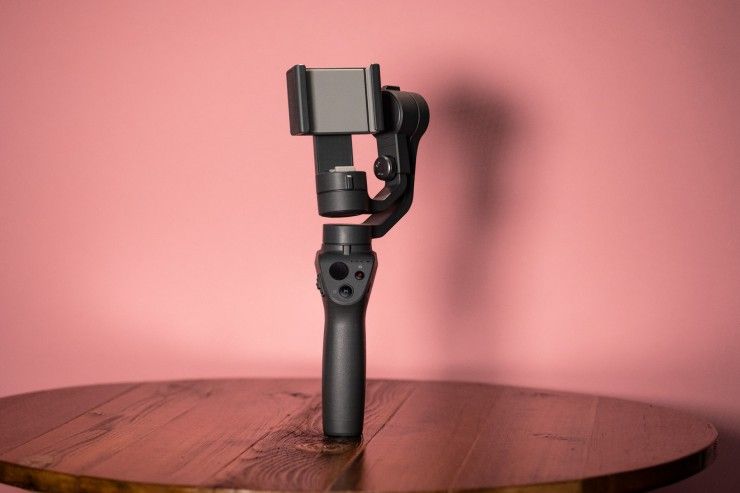
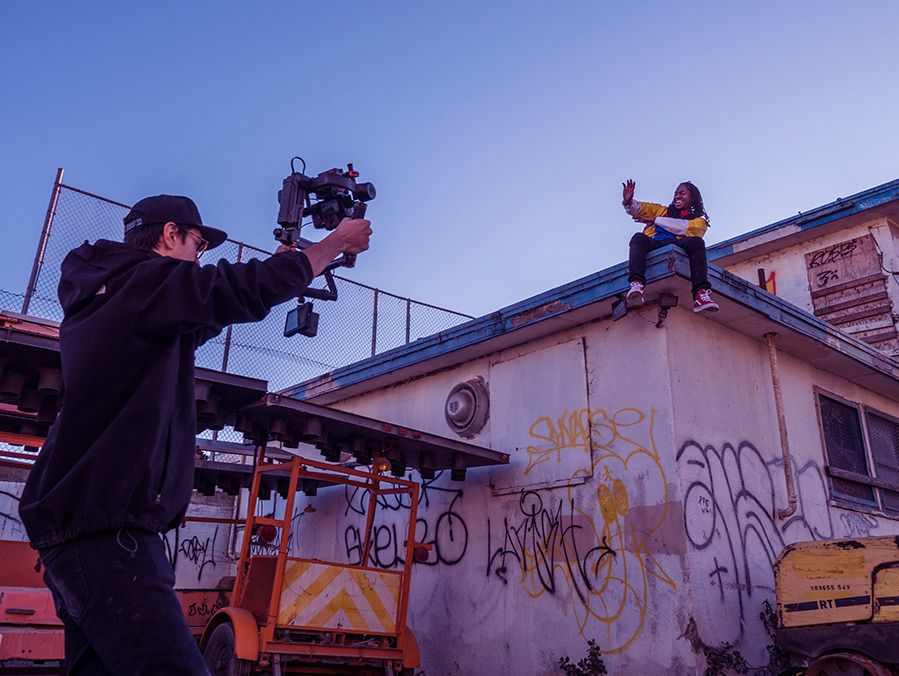
Extremes of movement are when you might be running, on a boat, in a vehicle on a bumpy road, or other situations where the environment is introducing unwanted movement. This is when you should consider one of the handheld gimbal devices like Osmo 3 or Movi Cinema Robot. They are designed to carry your iPhone and keep things steady. While they will take a bit of practice at first - especially getting it balanced - the results are impressive. There are lots of gimbals in the marketplace so make sure you do your research to find the one that's right for you.
Remember - you only need a mobile phone to get started on making your first film!
If you have any questions e-mail us at [email protected] or call us on 0131 226 0226 to see if we can offer you support with making your first film. Also check out the rest of our website at lamedia.co.uk
You’ve got your idea, your script, cast, locations, and permissions for making your first film, now it’s time to start thinking about the equipment you are going to use to capture it.
There are three guiding factors that are significant when it comes to making your choice of equipment:
Style of shooting - camera, lenses, lighting, and sound
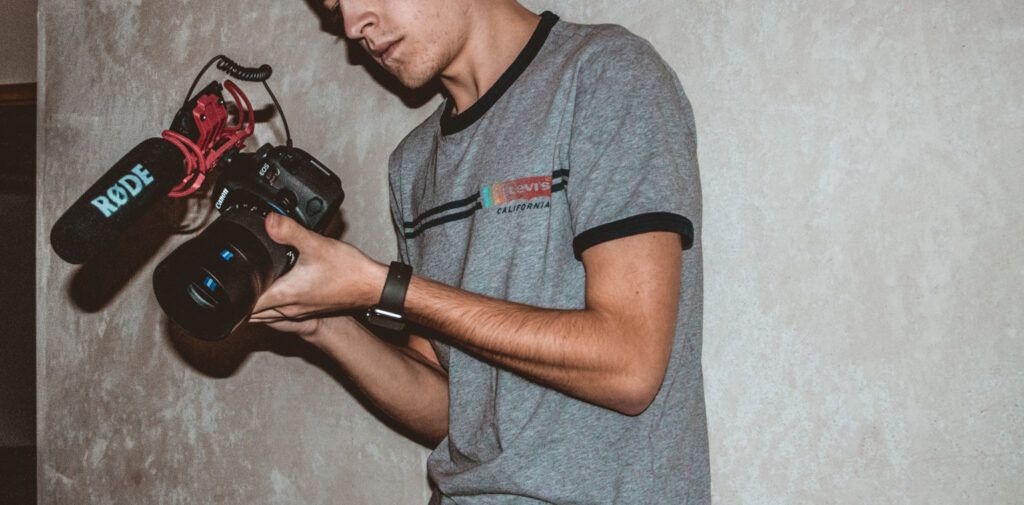
There is never a right or a wrong way when it comes to choosing gear to create your style for making your first film - there are only your own creative choices and ultimately they are choices that will be determined by the ‘feel’ you want your film to communicate to others and of course - your budget.
This is a very personal choice and it's one that only you as the principal creative of your film can make.
Budget limitations - hire, purchase or borrow
You can have no budget or a substantial budget - both will impact your film in the most obvious of ways.
With a budget you can hire or purchase gear and operators - without a budget, you will have to work with what you already have or borrow gear and then get friends to help.
If you borrow gear it’s a good idea to have insurance that will cover the cost of replacing things. If you use friends as crew - check their availability for your complete schedule and check their skill levels are appropriate for your filming needs in making your first film.
Operational parameters - specialist equipment
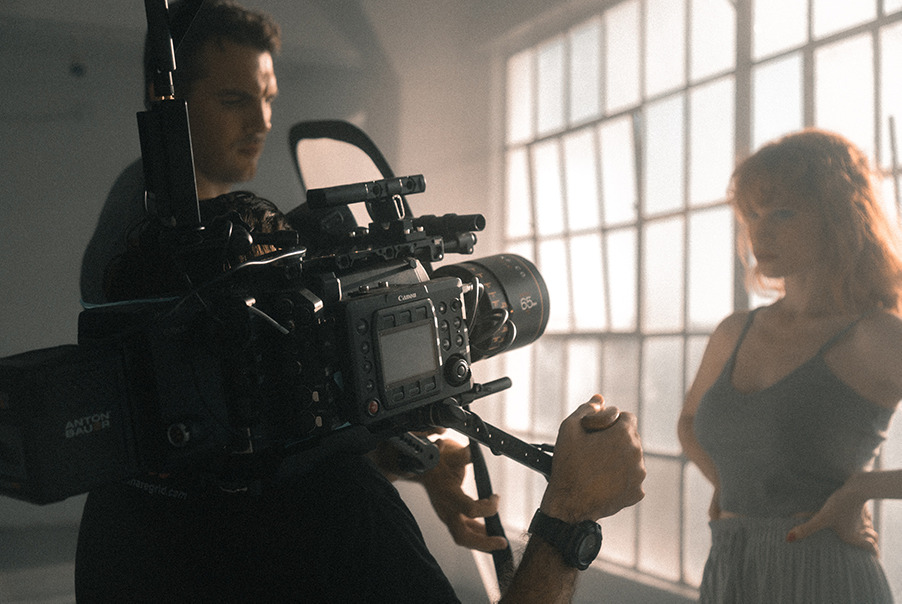
Cranes, jibs, tracks, dollies, steadicams, russian arms, and drones are just a few of the wonderful pieces of equipment that can deliver some fantastic shots that you might want for your film.
However, on location these all take time to prepare, construct and rig. They will involve more complex rehearsals, an increase in the number of filming operatives, and an additional footprint on your location that will all impact your shooting time.
There will be more mouths to feed and bodies to accommodate which can be expensive and at the end of the filming day all that equipment has to go back into flight cases - more time you will need to allow for in your filming schedule.
I’m not saying don’t use specialist equipment but challenge your own thinking. Is there another simpler way to get the shots you want? You need to think very carefully and count your money before you commit to using any type of specialist equipment when making your first film.
One Way Forward - keep things simple
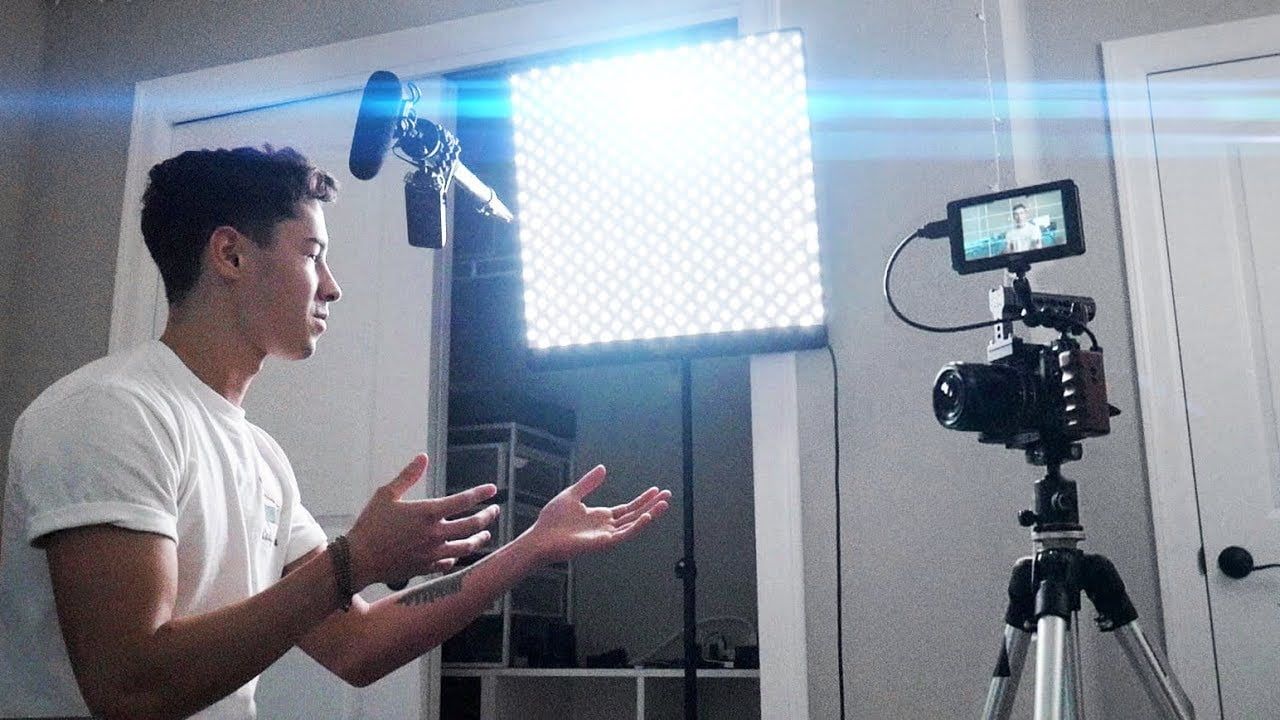
The most simple setup for filming involves just one camera, one lens, one tripod, an ability to record independent sound and natural light.
Camera
A DSLR or mobile phone is a great place to start when it comes to cameras. Most of us have one of either and are already familiar with how they operate and what they can achieve.
Lenses
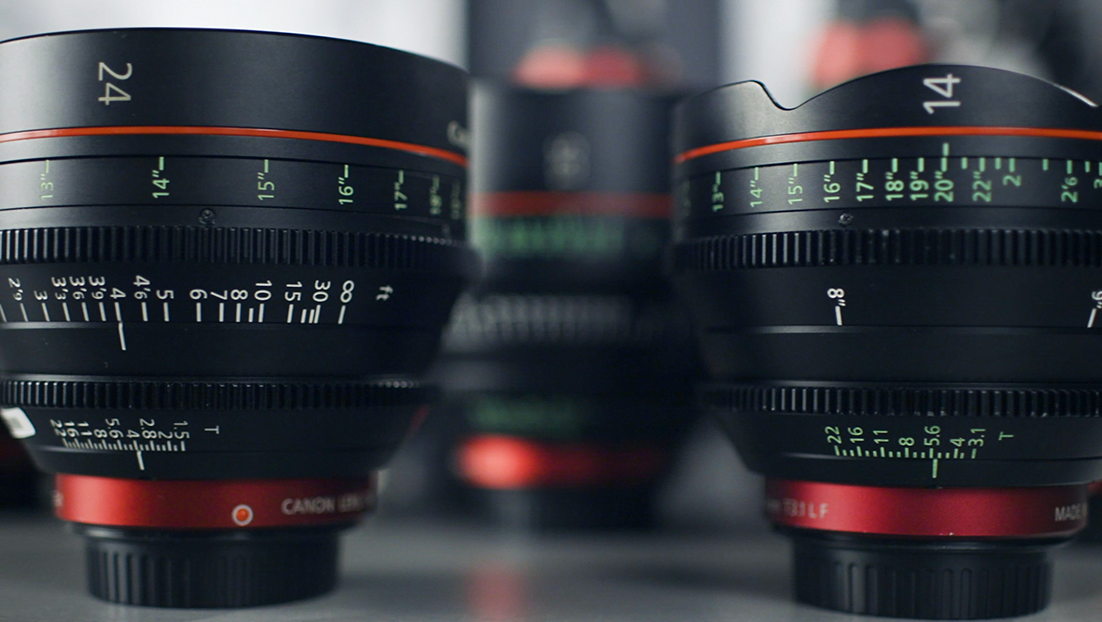
If you have only one lens in your kit you will learn very quickly how to move and reposition the camera to get the shots you want. There is no danger to having more lenses but know that any lens change on location will take time.
Tripod
A tripod is your steady platform for shooting. Usually, they are readily available with either a ball head mounting or a pan and tilt head option. Both these heads will let you set and adjust your shots.
Lighting
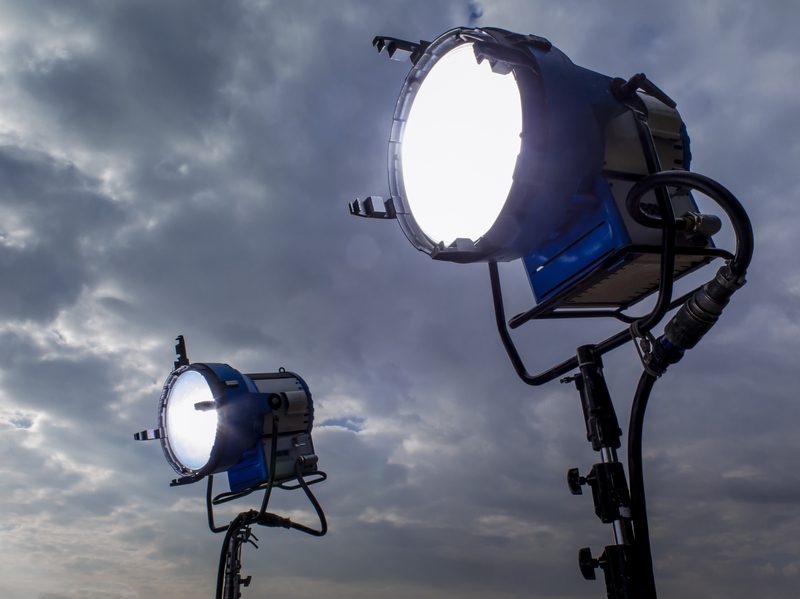
Try to use available location lighting especially even when shooting at night. Daylight is great but when things get a dark look around and find spots that are already lit.
Street lights, shop window lights, car lights try to use anything you can to avoid having to carry specialist lights. If it means adapting your scripted action to benefit from your location's available lighting then it's usually a good idea to do so.
Sound
DSLR cameras and mobile phones have integrated microphones for recording sound but they are not the most flexible of options. If this is all you have to work with then find the best way to use them.
If options are available to you, consider getting hold of a directional microphone, boom-mounted with an XLR cable connection to an independent audio recorder.
DATA
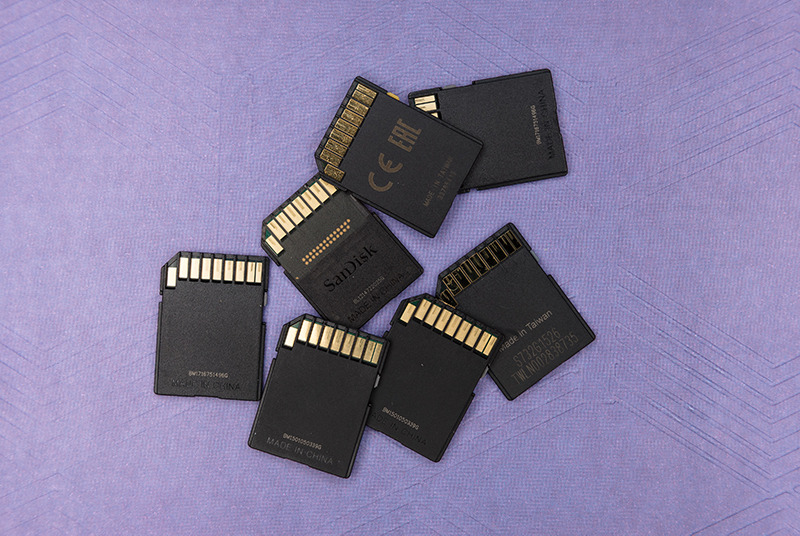
DSLR cameras use flash cards with various write speeds and storage capacity while mobile phones use internal storage to record your first film. Make sure you have enough of both to avoid time not filming because your data is being transferred. Data transfer just takes the time it takes and is best done during filming breaks or at the end of your shooting day. You must plan for them as they will have to happen at some point.
Keep an eye open for our Part 4 in this 'making your first film' series where we will get into how ‘Advances in technology have changed everything’
Meanwhile, if you have any questions e-mail us at [email protected] or call on 0131 226 0226 to see if we can offer you support with making your first film Also check out our other blogs and visit the rest of our website lamedia.co.uk
In Part 1 we explored the first half of the prep required if you want to be making your first film so in this, Part 2, we are going to briefly explore locations and permissions as you journey to the point where you can take a deep breath, and go and start shooting your own movie.
Overview
At this point on your journey of making your first film, you should have your script ready or even just have a flushed out form of your idea.
From these, you should identify the type of locations you will need for your film and have noted what time of day each location is to be featured.
You can then break things down even further by identifying which scenes happen at the same locations and detail which cast members, props, crew, and equipment are required to be at any location on any day. This will help immensely when it comes to scheduling your shoot cost-effectively.
Now all you have to do is find your locations, get permission to film there and then start creating your own shooting schedule.
It’s now that you should also start to flush out health and safety assessments based on any potential hazards you may find on your locations (more to come on health and safety in a further blog).
NB. a negotiable fee will often be required to be paid for the use of any location and if it's too expensive, simply find another.
Finding a location
Sometimes this can be done virtually on Google Earth otherwise it will involve a team to physically visit prospective locations. This is called a recce.
Once there, you are principally going to be considering creative suitability but it's also important that you look at issues of practicality.
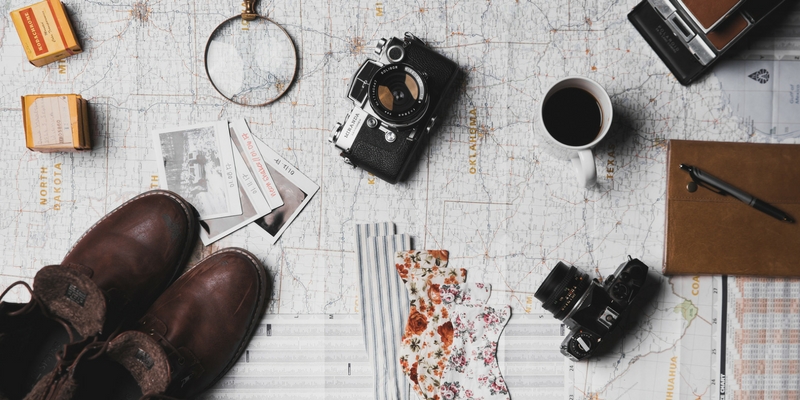
Traffic, extraneous noise, people ingress, parking, toilets, where to lunch, how much impact your unit will have on the location, and how much impact the location activity will have on your filming - just a few things to think about that might make a difference as to how smoothly your filming goes.
Permission
By getting permission to use a location you can have the confidence required to start making your first film. Without permissions, there is the underlying stress of your unit being challenged on arrival and potentially being sent packing by an angry property owner.

Start with any local film authority that is available in your filming area. Contact them and let them know what you are planning to do. These are the local filming specialists who will keep you right, put you in touch with police, traffic control, event departments, and a lot more people who would like to know:
a. what you are doing,
b. when you are planning to do it
c. how can they help
The people who work in these departments are a useful and cost-free asset you really should take advantage of. They are usually very experienced in what they do and will always want to help you succeed. I would strongly advise you to get them on board with your filming at your early planning stages.
Just go commando
There is a school of thought that says ‘just go commando’ which means ‘shoot it as you see it’ with no permissions in place. While a small team with light gear can sometimes get away with this approach, it is a high-risk strategy.
Generally, there will always be someone who will spot you working on a location and then ask you the killer question ‘have you got permission to be filming here?’. If your answer is no - that's usually the start of distracting discourse which often ends your filming effort at that location.
Filming Schedule

Having found your locations and got your permissions you now need to identify the production effort for each by putting locations, dates, times, cast members, and props into a filming schedule form.
Any information that you feel is critical to your team working effectively should be included in your filming schedule. This document can then be shared with everyone on the team to ensure they know your plan and that they are all working off the same page.
Each production will produce its own version of a film schedule and the amount of detail included is always subject to how many people and how much effort you can throw at it.
The useful information you can add to a schedule is almost endless but you must consider how much time and effort you have available to do this.
The true effectiveness of your filming schedule will rely on you having a good knowledge of the availability of locations being matched with cast, crew, and equipment.
It will require you to have an understanding of time management regarding travel, breaks, and how long it might take to film scenes.
A typical question to ask yourself is ‘how long does it take to get a cast member to a location, into make-up then wardrobe, and finally out in front of the camera ready for filming’ and then ask yourself ‘should I allow time for a chat, a quick coffee, a breakfast, or a simple weather delay?’.
There are hundreds of things that can throw your schedule off course and while you can never anticipate them all you should make sure your plan allows for the unexpected before you start making your first film.
Keep an eye open for our Part 3 in this series on ‘making your first film’ where we will get into ‘The gear you need to make your own film’.
Meanwhile, if you have any questions e-mail us at [email protected] or give us a call on 0131 226 0226 to see if we can offer you support with making your own film. Also, don't forget to check out the rest of our website at lamedia.co.uk
If I had a pound for every time I've heard someone say “I want to make my own movie - but…” and then nothing happens, I'd be a very wealthy man.
It's a sad fact that most people never get to know the fun of bringing their idea to fruition and usually they will only have themselves to blame.
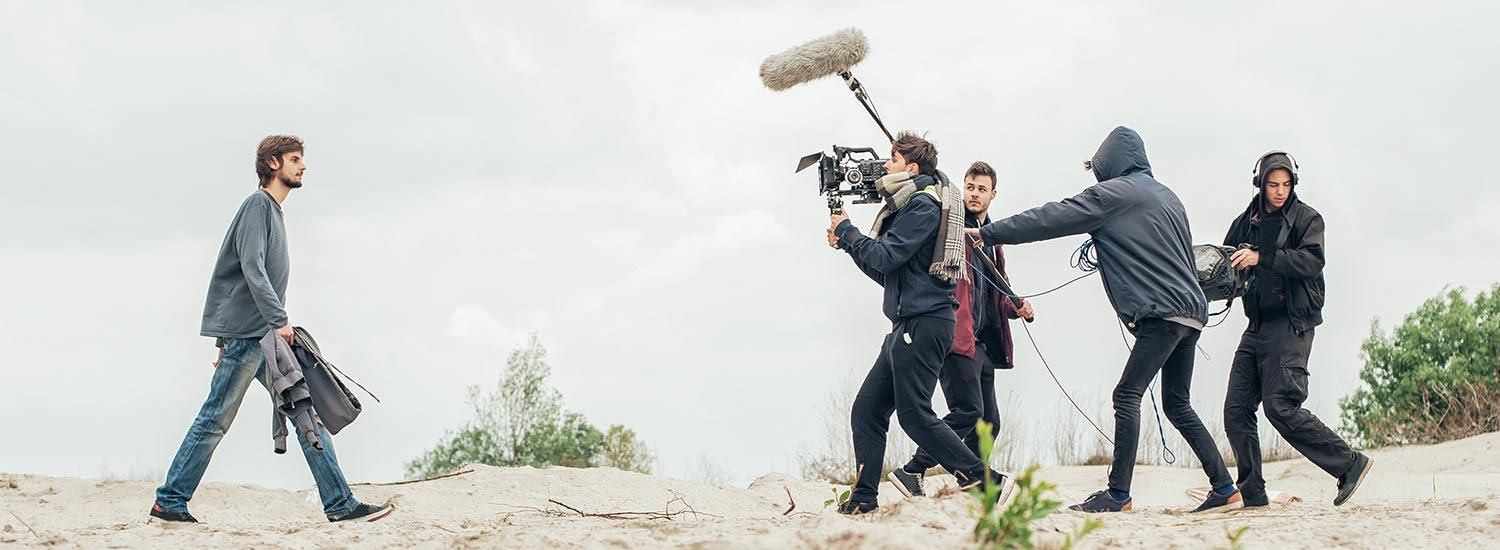
If you really do want to be making your first film then read on. In this series of blogs, we will share our simple and clear overview of the process involved, the mindset you should have, and the things you will need to consider.
Your mind Set

Try to be an enthusiast and an eternal optimist. It really helps if your view of the world is one of ‘glass half full’ - particularly when things go wrong - and try not to be your own worst enemy by self catastrophising before you even get started.
Your idea
This is where most people get stuck because they think they must have a ‘good idea’. They are wrong. A ‘good idea or a bad idea’ is always subjective - you only need an idea that you want to make and then get on with it.
To help you find your idea, try thinking about the type of things you like to watch, people you like to meet, things you like to read and explore things you are interested in. Your idea will need your touch of personal passion if it is to make it to completion.
Involve others
At this stage of the process, half your fun will come from sharing your ideas with others. Encourage your friends and family to input their creativity into your idea and then encourage them to challenge yours.
If you keep your idea to yourself, you will run a high risk of soon finding yourself in a very lonely place - creatively speaking.
Be brave. Share your ideas with others. There is always the potential for ridicule with any idea you share but there is also the potential for your idea to grow and evolve into something better than what you started with.
Work everything out on paper

This is another stopping point for first-time filmmakers as it is the first time you really have to produce something tangible - written documents. You should consider the following as being important steps on the way to making your first film:
Synopsis
A short written brief describing your idea.
Your synopsis is an ‘in a nutshell’ document that you can share with others to help them quickly understand what your film is about.
Writing your synopsis will help you clarify your thoughts in a more narrative style and will make you consider critical detail.
The first script
Create a written structure for your project.
Whether it's a prescriptive style of script or a simple topic guide for actors to improvise around, you must try to remember that your first script is just the start. It is a living document that will evolve as you get input from others.
If you know your start, middle and end then you are in a good place to flesh out what goes on in between those key points.
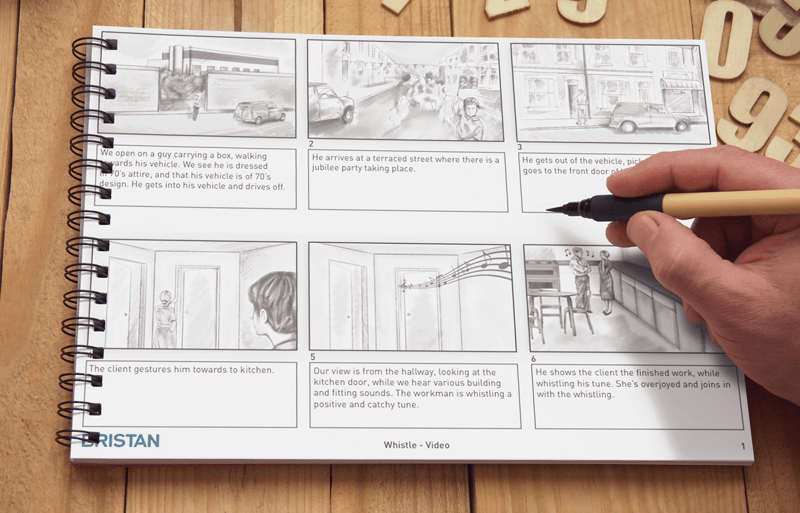
Storyboard
Put the shots you want to create on paper.
The knowledge you get from drawing up a storyboard will allow you to better control all your assets, your time, and your crew when on location. A well-thought-out storyboard can help you adapt when you need to and therefore impact your budget ambitions in a very positive way.
It's an important document because this is the point at which you will begin to visualize your film and understand the number of casts, locations, and the type of shots you are aiming for making your first film.
It's vital you remember that it doesn't matter how well you can draw. Use stick men if you have to, but get it done.
Start Casting

This is a critical element of your project.
If you have no budget then you might want to consider using friends or people you know. The alternative is to send out to agents and agencies a brief description of what you are looking for. Most agencies have an online portal where you can at least see images and showreels of actors you might be wanting to consider.
It's a real risk to cast anyone without having them audition for you. It’s through auditions that you will discover if people can actually act, you will see how they respond to your direction and it’s an opportunity for you to better visualize them in the role you are casting.
Keep an eye open for our Part 2 in this series on ‘making your first film’ where we will get into ‘locations and permissions’, 'going commando' and ‘film scheduling’.
Meanwhile, if you have any questions e-mail us at [email protected] or give us a call on 0131 226 0226 to see if we can offer you support with making your first film.
You’ll probably want to know what being on set is actually like after you’ve read LA Media blogs like “How to kickstart a career in television” or “So You want to be a 'Runner' in television or film” previously.
My name is Annie, I've worked as a camera assistant/runner with LA Media on various sets for a year now and I've been given the honour to share my experiences and thoughts on what being on set is like and how you can make your experience make a change for you and the rest of the crew.
The simple answer to "what is it like"? No one day is the same on any set. In my personal experience working on different projects with LA Media, we could be trying to silence our rumbling stomachs, filming a chef prepare a three-course meal one day and literally knee-deep in cold mud on a windfarm the next. I think that’s the appeal to the job and the thing that makes me excited to get up at unsocial hours of the day to get to set on time.
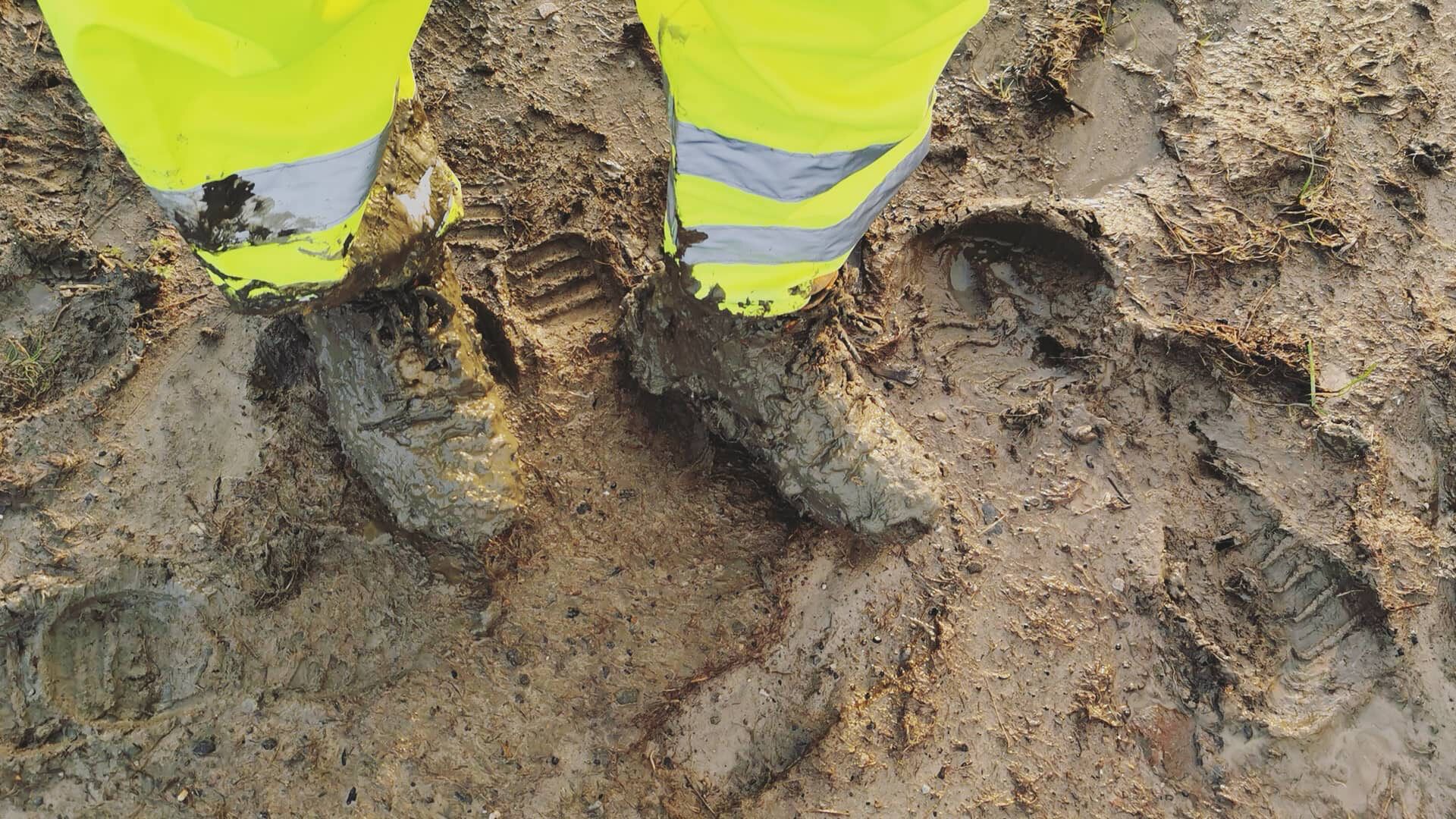
Make yourself useful
The main thing I’ve learned from being on set with LA Media is the importance of thinking ahead and seeing where and what you can assist with. In other words - making yourself useful.
Small things like double-checking battery levels, keeping an inventory of all the bits and pieces of the kit in your head or almost reading your crewmates' mind and knowing what they’ll need passed to them before they ask can be game-changing.
There shouldn’t be a moment in your day on set where you think there’s nothing else to do or help with. Keep it moving, but remember to watch your feet while pirouetting between tripods, cables and lights!
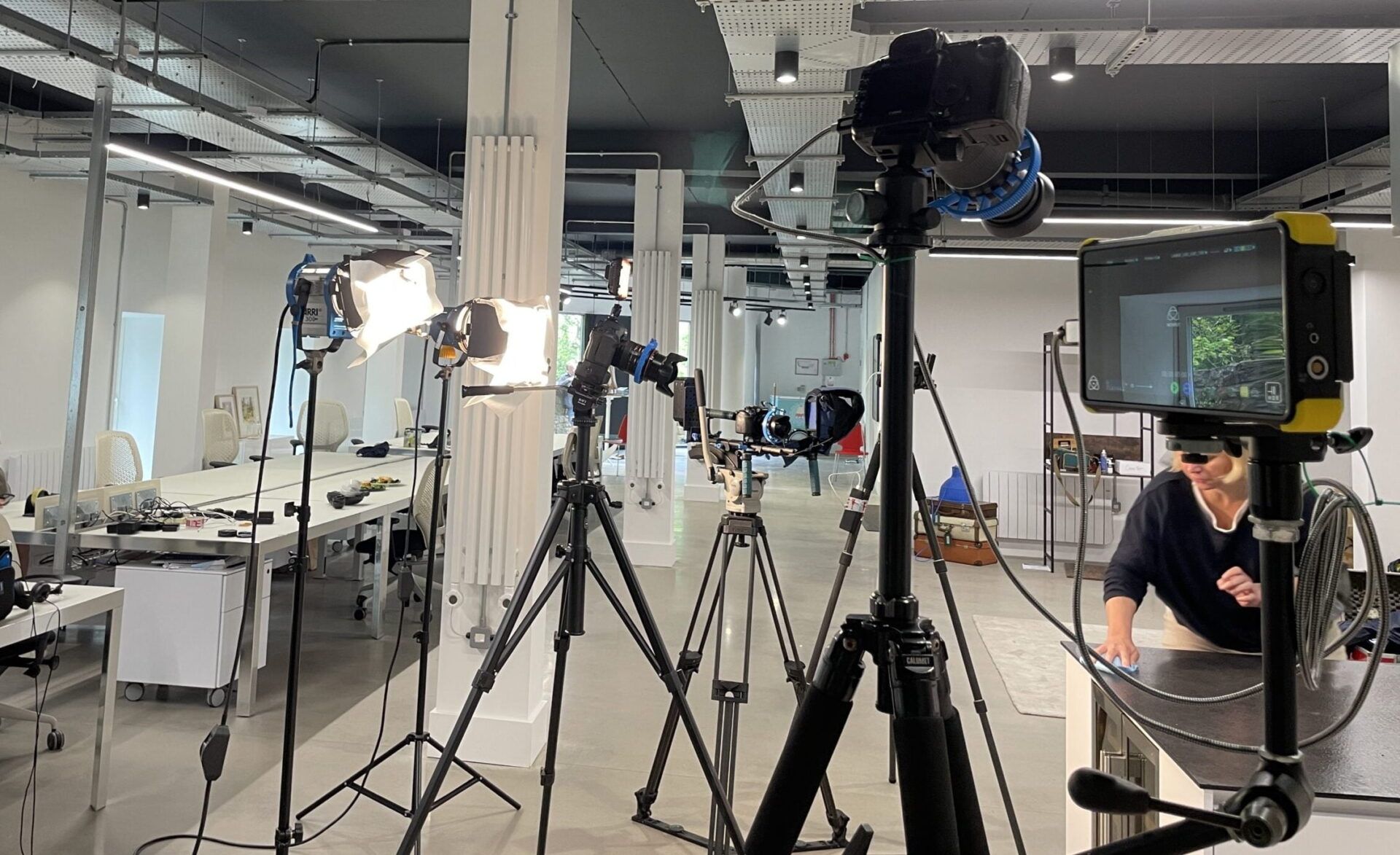
Watch and listen
I’ve stressed the importance of the team having something to gain from you being on set. Now let’s discuss what there is for you to gain from the experience.
I would say that it’s in your own hands to make each day on a set matter to yourself. When I’m on set I keep my eyes and ears peeled to everything that is going on around me. Be it a tidbit of information about a new piece of kit or watching the director communicate with the client or talent.
Everything you see or hear will prove useful to you at work in the industry or when someone mentions windfarms in a conversation at the pub for example.
Don’t be afraid to ask questions. As cliche as it sounds, there really are no silly questions, especially in an environment of creatives in their natural habitat. How else are you going to find out and learn??
It’s really up to you to be proactive about putting everything you hear and see on set to use further in your life and career.
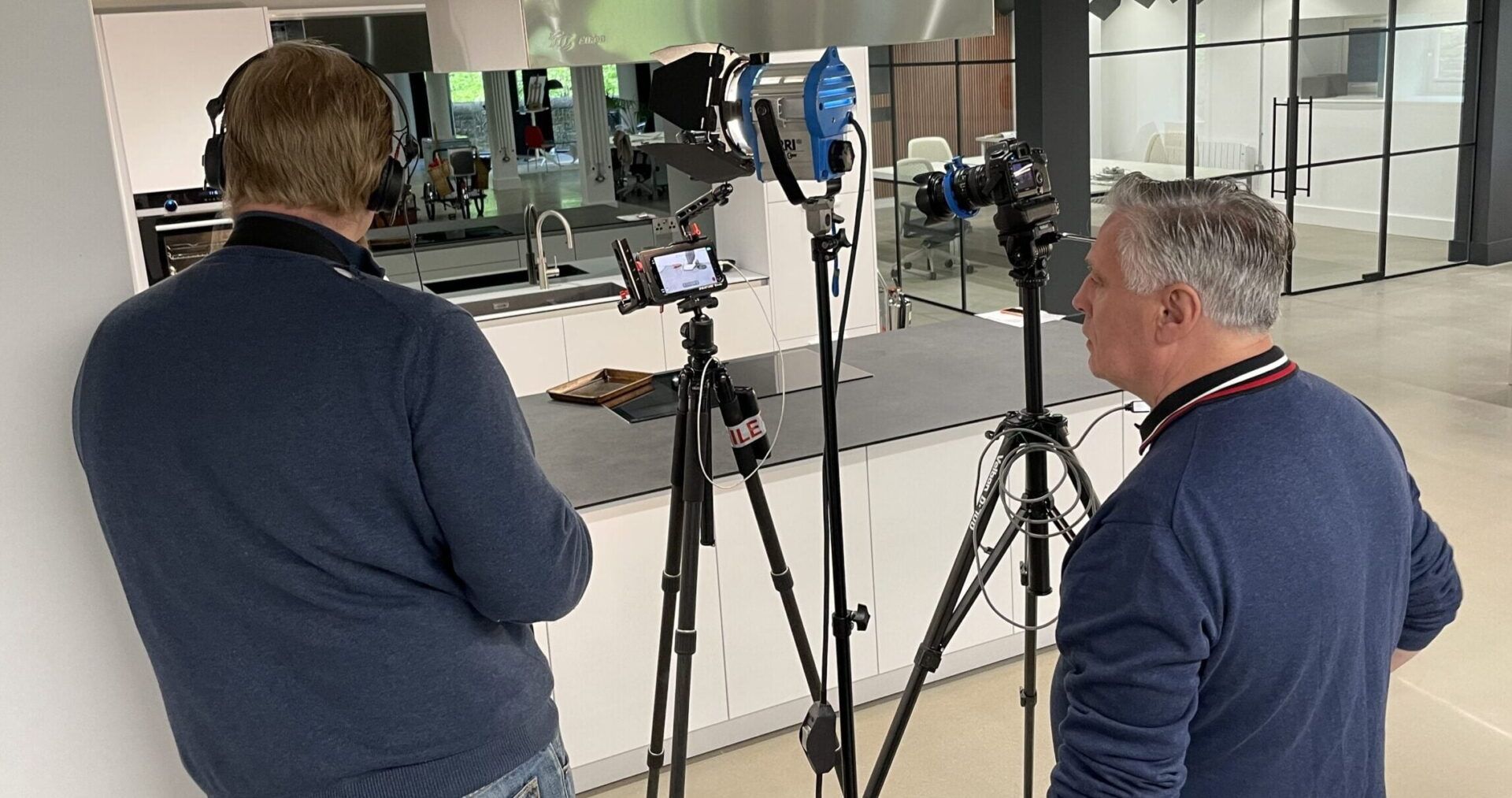
Communicate
As with all teamwork, communication is key. I know I mentioned mindreading previously, but I am yet to meet a crewmate that can actually read minds when it comes to how you feel or what you think.
Do not suffer in silence. Tell someone if you have a sore head or you’re not in a good place emotionally for example. Trust me when I say it will bubble up and ruin the day on set for everyone in that team if you’re walking around with a dark gray cloud above your head.
You should feel comfortable talking to your teammates when it comes to creative decisions too.
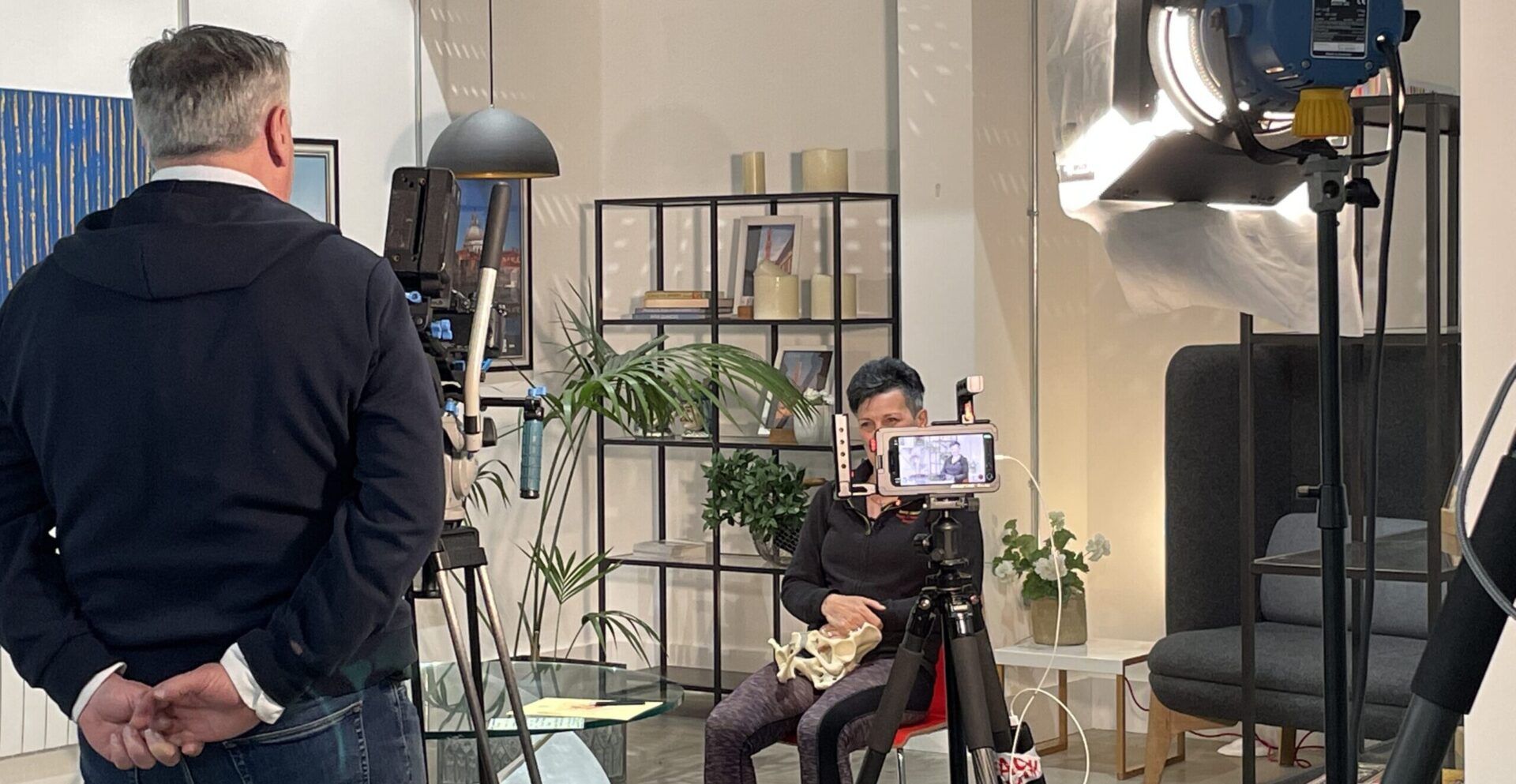
Your input matters
We all see the world from different angles so it’s important for you to make suggestions if you see a shot that could work better for what you’re trying to achieve on set that day. You’re not questioning the director’s decision or authority, you’re simply and politely giving a different perspective. Even if your idea doesn’t stick then, it might inspire one later. You’re in a room full of creatives, those brains should be working overtime.
 Make the most of your time on set, there really isn’t a more dynamic and fun environment to work in. I am glad I’ve had the opportunity to take part in creating some top-notch material with LA Media. I look forward to work on more in the future.
Check out the rest of our website and if you have any questions e-mail us at [email protected] or just give us a call on 0131 622 0220.
If you enjoyed this blog don’t forget to follow us on: Twitter, Facebook, and Instagram for your daily dose of media & drone chat!
So, you've got a drone, you've got a license, you've booked a gig so what do you need to do now? In this blog, we look at the five most important drone safety considerations you need to have before you think about flying a drone for work. Everyone thinks production location planning is an easy task. You find somewhere perfect and you just send the drone up and go for it, right? Maybe in an ideal world - but this isn’t the case when it comes to flying drones commercially for production. It’s especially true when it comes to selecting a location where a drone can legally fly.
If you are planning to use a drone in your production to get some outstanding shots of the location, or just to add a unique perspective to your footage, here are some crucial things you need to consider before you take to the skies.
Safety first is a good phrase to live by when out on a production. Yes, getting an epic shot or piece of footage is crucial but not if it means sacrificing your drone safety! Let's be clear, drones in the wrong hands are dangerous - but, big BUT right there, drones can be safe and awesome when you have a smart drone operator.
It may seem like a bore or a touch pedantic but an expert drone operator will consider all these things before they set their drone soaring. If you have a drone safety savvy operator you will not only get amazing shots but you won't have to risk your neck for them either.
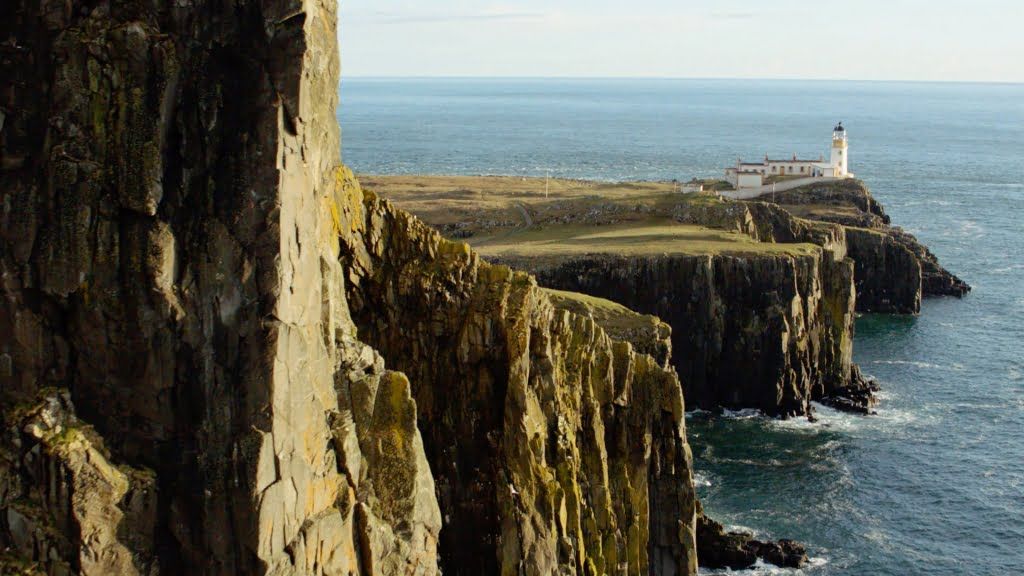
Image by LA Media
You Must Respect the Drone Danielson!
Take the wise words of Mr. Miyagi to heart! A typical misconception about drones is that they can go anywhere, right? True, to an extent, yes they can physically go most places, drones are very versatile and nimble but unless you want to find yourself in hot water with the law, here are key considerations for drone safety every production manager should consider before the day of the shoot. Just because you can fly it doesn't mean you should!
Cowboy drone operators will risk it, but if the CAA is notified you could find yourself under investigation for reckless flying or worse charged by the police for endangering the public. Drones are a serious piece of machinery, just because some can be bought cheaply as toys you shouldn't lower your guard when operating one as they can do damage.
Do you have production control over the required drone flying area?
The law is quite specific about this and covers people, property, and roads. If you have full control of these elements then you should be good to go flying. Make sure that you get a completed risk assessment form from the drone pilot in advance of your flying date. If you do not have full control then you will need a control method statement from the drone company. All drone flights should be operated within areas that are under the control of the production or which have been made safe using the practices suggested in the control methods statement.
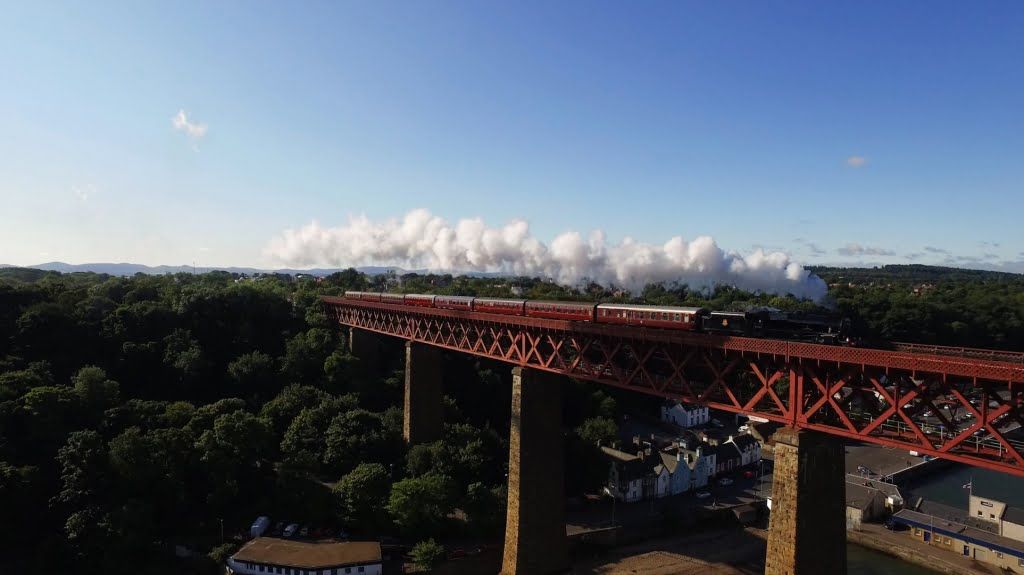
Image by LA Media
Buyer Beware: Is it legal and am I liable?
The drone company should advise you regarding the legal requirements of any flying you intend to undertake and investigate the nature of the airspace you are intending to fly. The drone company should make all relevant contact with CAA, NATS, and any air traffic control (military and civilian) that may be operating in the area you intend to fly and keep you informed regarding any issues.
IMPORTANT: One-man operations will often ask for production assistance when implementing control measures in a flying zone. Be aware that compliance with this request can create an insurance liability to the production.
Cleared for landing?
Does your location have safe landing and take-off areas for the drone operators to use? More importantly, is there an area that can be considered an emergency fly away zone should it be required? The drone company will advise you as to the suitability of any areas you might suggest for these purposes.
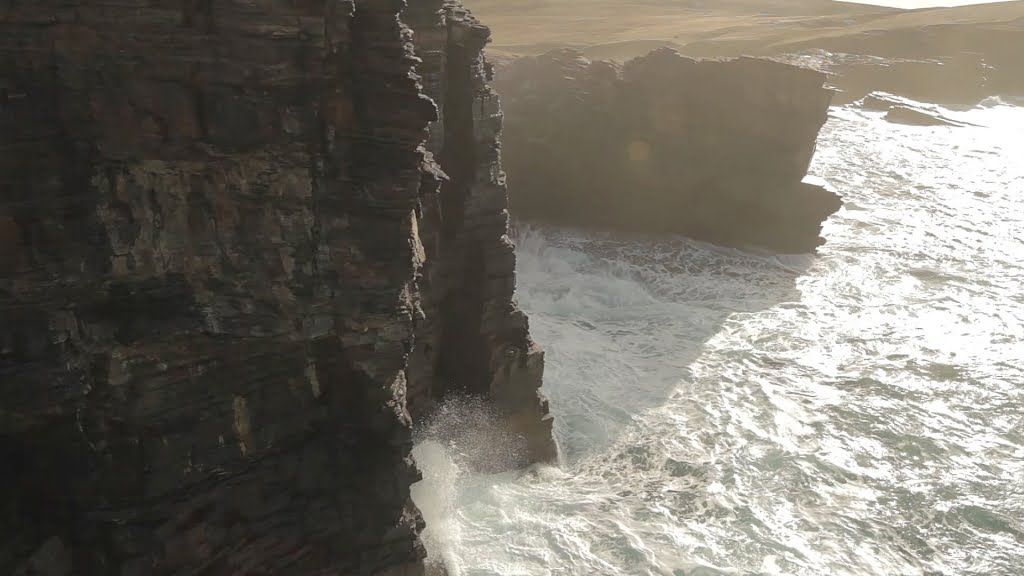
Image by LA Media
Best laid plans
Where possible, and affordable, it is advised to take the drone operators out on a location recce with the production Director, DOP, production manager, and health and safety adviser.
Houston, we don’t have a problem!
It is critical when flying the drone that any pilot has ‘Line Of Sight’. They must see the drone clearly at all times when flying, no excuses! So, when considering locations it is important to anticipate any possible obstructions to the pilot's “Line Of Sight’. Obstructions can be as simple as trees, other buildings, a change in the ground levels when flying low and, most commonly, distance from the pilot.
This may seem obvious but it is worth saying, Drones become very small as they fly away from the pilot and even, therefore, become riskier when, and if, the drone disappears into the background they are flying against. Crossing in front of bright sunlight for example will be very challenging for most pilots.
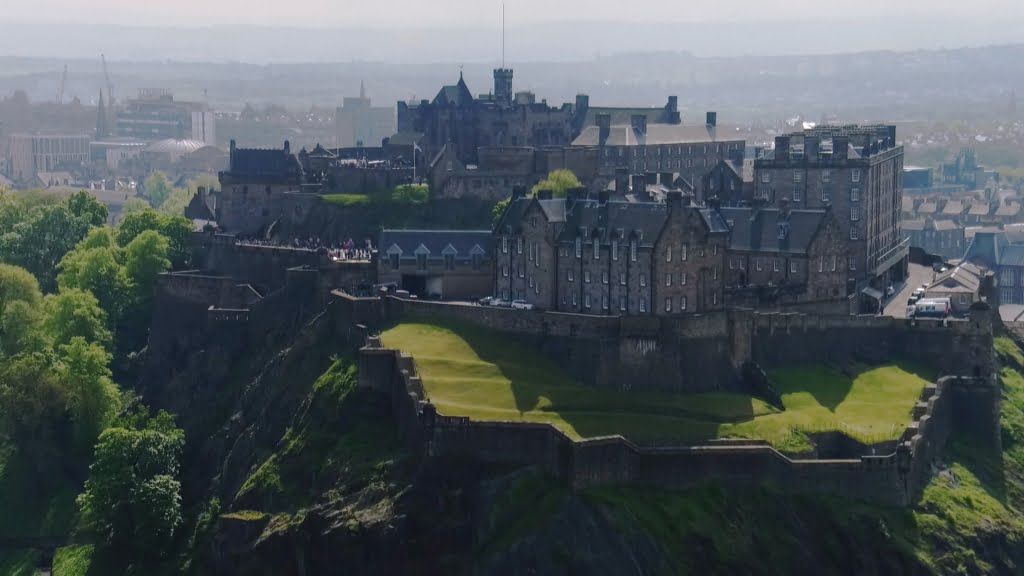
Image by LA Media
Although this may seem a little scary, if you are working with a good and reputable drone operator they will help you through this experience and make it as straightforward as possible. If you keep these 5 key drone safety considerations in mind when picking your location you will avoid some of these easily made mistakes.
Check out the rest of our website to see some of the drone projects we've worked on and if you have any questions e-mail us at louise@lamedia.co.uk or just give us a call on 0131 622 0220.
If you enjoyed this blog don’t forget to follow us on: Twitter, Facebook, and Instagram for your daily dose of media & drone chat!
Wishing you happy and safe flying!
Drones really are everywhere - in almost all high-quality commercials, films and videos you see there will be some element of aerial cinematography involved. As technology advances and drones get smaller and more powerful, media production is no longer reliant on helicopters to get that unique bird’s eye view. Even if you don't think you need a drone for your next production we have five compelling reasons why you do need to consider adding a drone to your next production!
Drones add amazing views
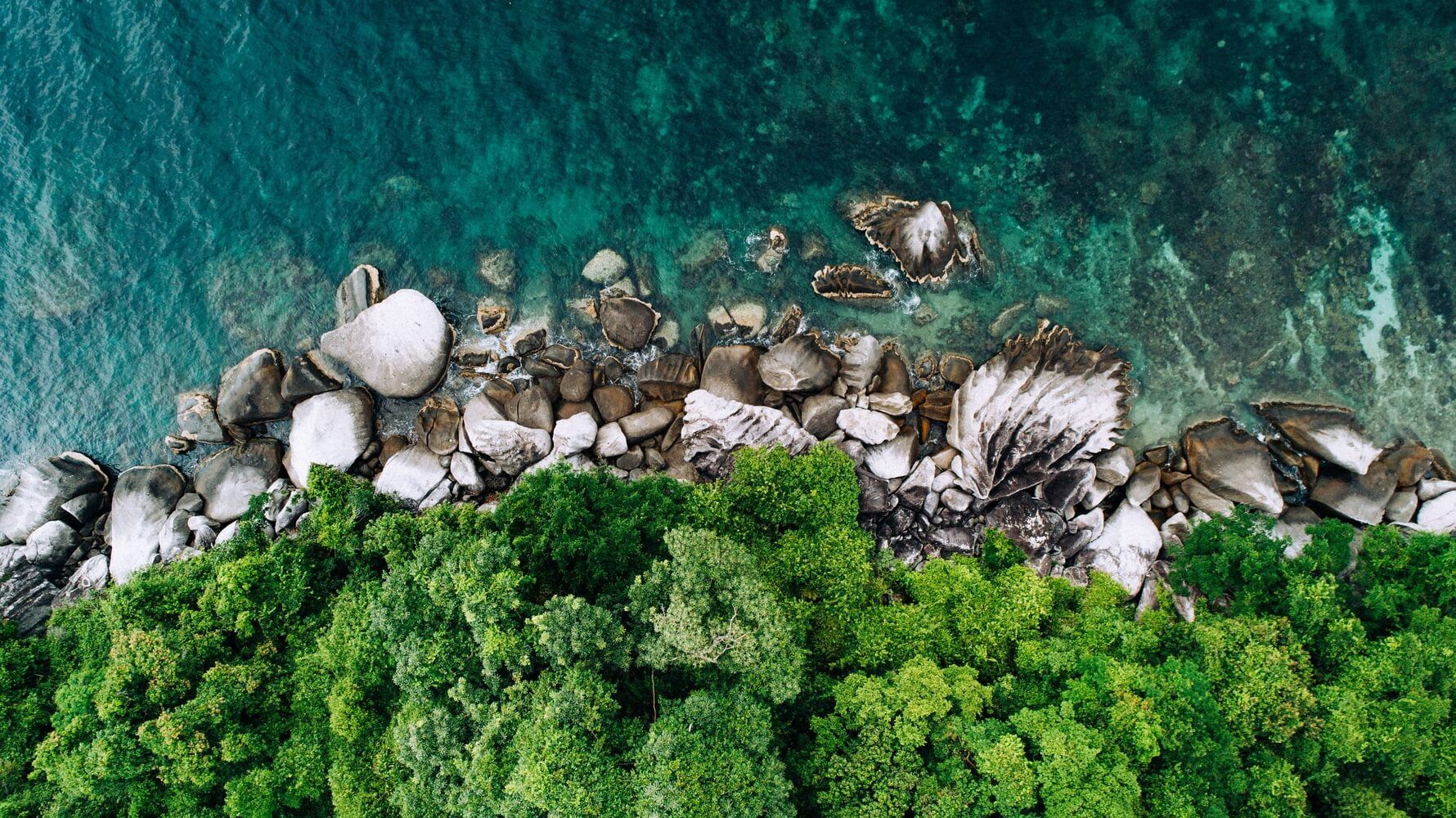
The first, most obvious, reason why you should use a drone is to add a unique perspective to your production. With orbital views and a limitless reach, a drone can do what no land-based camera can. No need for a crane or spiderman-like camera operator. Technology has made such leaps that now drones can safely lift most high-end production cameras with ease; which for you means more breath-taking shots and majestic panoramic sweeping views. By using drones your audience/ target customers will be treated to some spectacular-looking footage.
Drone hire won't break the production budget
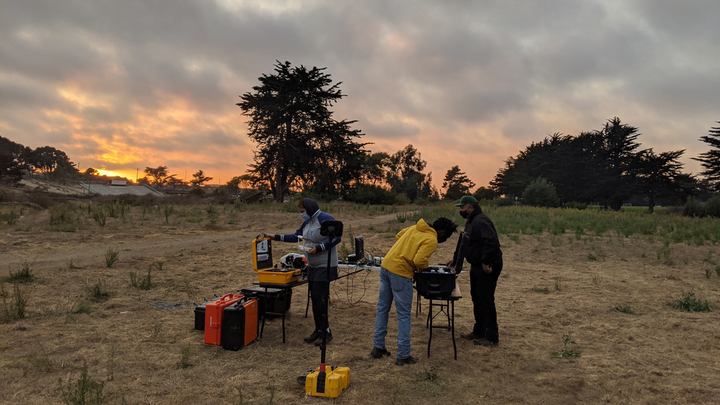
Using drones is much more cost-effective than hiring a helicopter for a shoot. Not only is it much cheaper but you can also fly a drone all day with fewer restrictions. With a helicopter, there will be a limited window to get your ideal shot; but with a drone it's all much simpler. If you have a good drone operator they will be able to switch batteries in and out easily, ensuring that your drone stays in the air and you get the most out of your investment.
Greater mobility
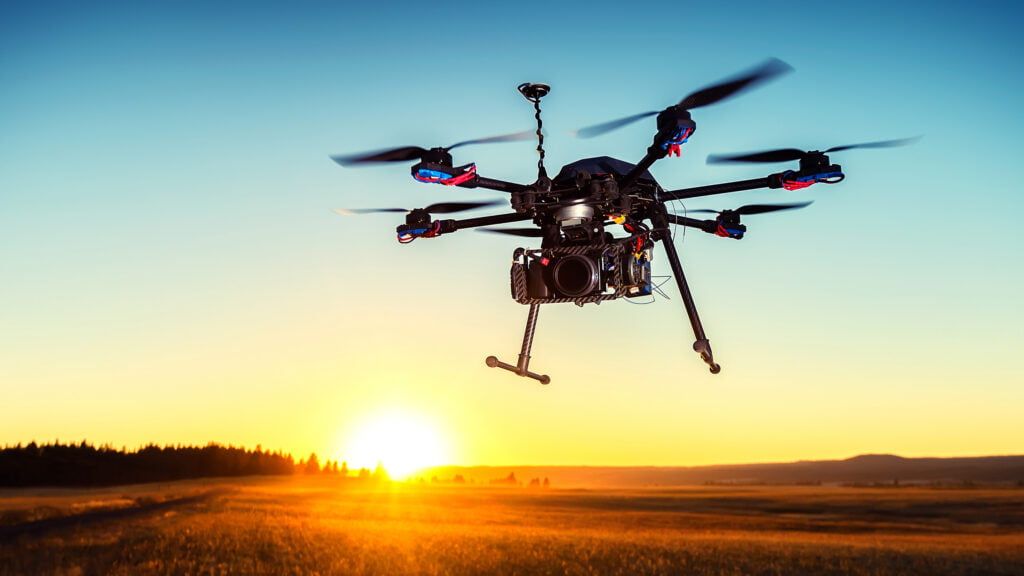
Hands-down, drones are more mobile than helicopters and mounted cameras. Over cliff-tops, houses, through arches, over water, and down where the action is happening: drones are highly versatile. The only limit is the skill of the drone and camera operators you employ. You can take awesome moving shots without having to lay down tracks to achieve outstanding footage. The possible perspectives are limited only by your imagination (and the skills of your drone crew).
Did we mention drones are versatile?
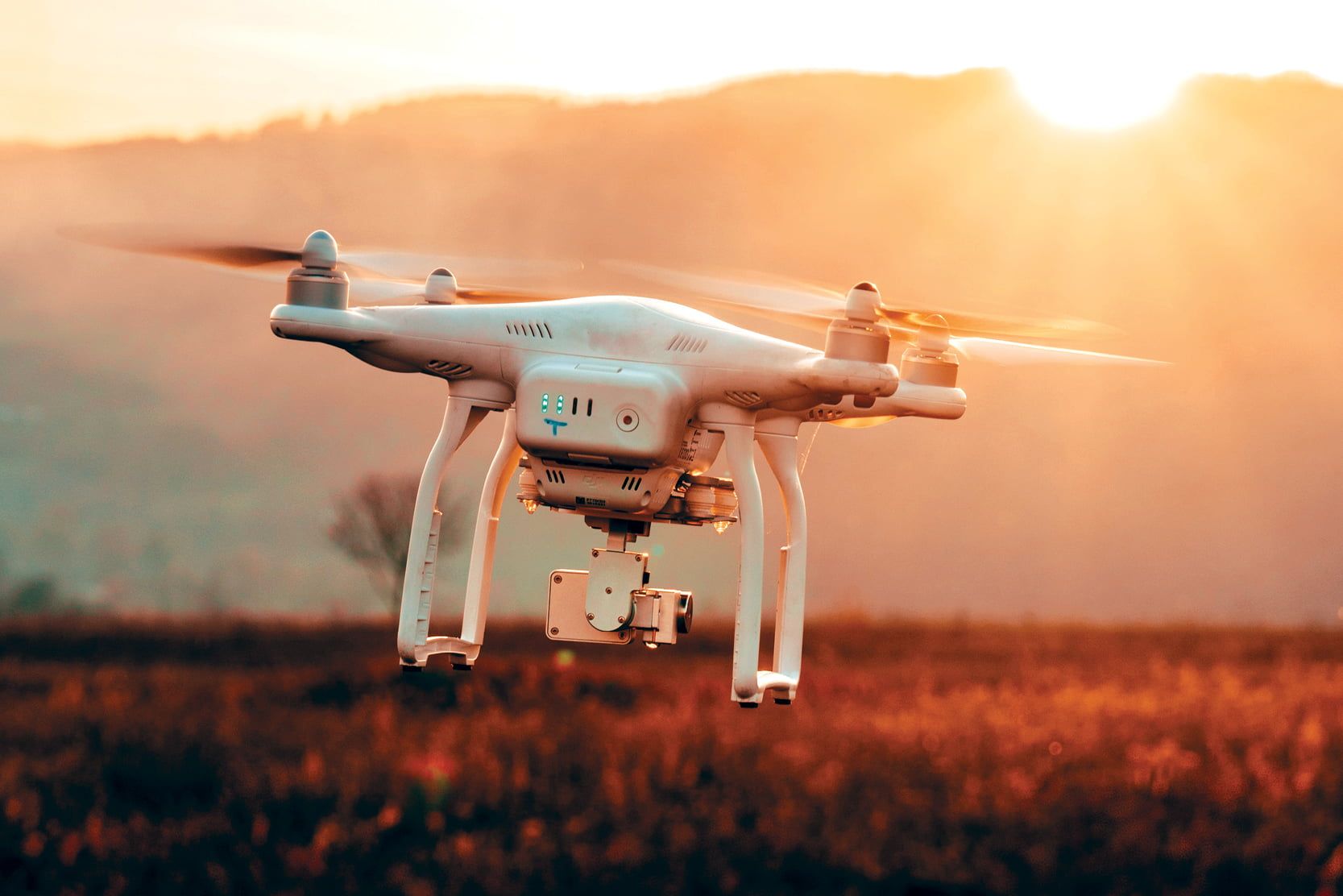
Not only can they swoop and soar more ably than most birds do, but you also have the freedom to change which camera and what lens you are using with ease. With a mounted camera – such as the ones used in helicopter flight - you need a special mounting for each one. The time to land the helicopter and make the changes is considerable when compared to changing the equipment on the drone.
Don't get left behind!
Drones are high-tech and innovative in terms of media production. Drones are no longer the exclusive toys of big-budget movie directors like Lucas and Speilberg. Getting high-quality drone footage is now obtainable for most productions. A good drone operating company will be able to help you pick which drone and camera are best to meet your needs. So to keep your footage looking fresh and cutting edge you need to embrace this new shift towards using drone footage.
Here at LA Media, we've been flying drones for over 8 years! We've flown almost everything there is: from custom built Quads to large heavy lift Octo-copters. So if you have any questions or would like to know a bit more about what we do, e-mail us at louise@lamedia.co.uk or give us a call on 0131 622 0220.
We never say “don't be a runner” - a good runner on a film location is gold dust and they are a very important and valued member of any production team.
That being said, we meet so many bright young people who tell us they want to be a ‘runner' and with the benefit of our 45 years of experience in the industry, our response to them is why?
If their answer is: “I relish being the lowest paid person on a location”, “I enjoy doing everything and anything that anybody wants me to do” or “I've studied film and television for four years to be good at getting tea and coffee for other people” then we say “great” and wish them good luck with their chosen career.

But if their answer is, and it's the one we mostly hear - “everybody tells me I have to start at the bottom of the ladder and work my way up” that's when we like to take some time with them to challenge the ladder theory. We explain what's involved in being a runner and offer them an alternative mindset to go forward with.
Imagine how you would feel if after four years of hard study your peers tell you: “you have to start all over again” or “start at the bottom of a career ladder and work your way up”. Not very inspirational is it?
However here is a great link to check out if you want to explore the job in real depth: Runner. What we offer you is a quick snapshot of things from an alternative perspective.
Being a runner
This is a really, really hard and challenging job even for the smartest of people and yet it’s rewarded with the smallest amount of pay.
Being a runner means - you need to be a mind reader capable of anticipating everybody's needs and a source of all information answering a million random questions every day. You are often the first up in the morning and usually the last to bed. You have to do everything and anything that others may need you to do from gathering rubbish to delivering messages and you're expected to do it smiling and at the double. Your list of jobs will have no limits and the number of things you will be expected to juggle at the one time is often ridiculous.
You may have been told that by being a runner you will learn by watching others but as you're going to be busy all day, when will you get the time for this learning curve to happen?
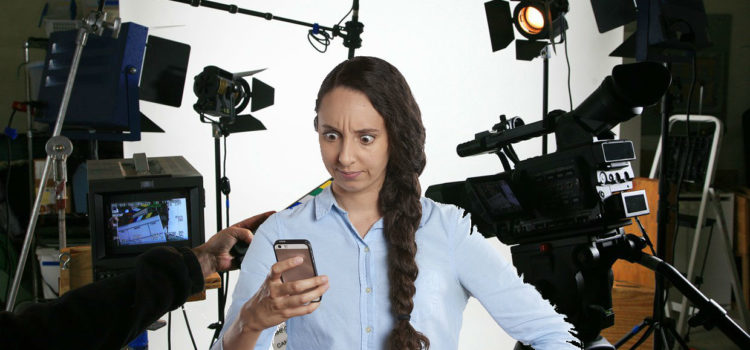
There is no ladder to climb
The ‘career ladder' is the greatest myth in the industry because in film and television getting a job is mostly based on contacts and opportunity. Being in the right place at the right time is half the battle to getting work - the other half is who you know.
When these two elements come together work opportunities will frequently drop at your doorstep...also a quiet ‘word of mouth’ from a connected person into the right ear will generally go a lot further than any experience you may have.

This sounds very cynical but it's true...even within broadcast institutions such as the BBC/ITV/CH4.
Finally, it is worth noting that most jobs will only last for the duration of filming and then you're out looking for another job. So where is the workplace continuity that's required to implement a career ladder path?
Our alternative mindset
Take charge of your own career, make your own jobs, train yourself and do the things you want to do...by simply doing them.
The tech is already there for you. Mobile phones for filming, free editing packages on the internet, YouTube for training, mates for teamwork and social media channels for broadcasting your films to an audience. What more do you need other than an idea for your film.
Make your money to live by stacking shelves in a supermarket if you have to but at the same time be constantly asking yourself what you should be doing in your own time to take charge of your career.
If you start with the mindset of you are already in film and television because you want to be, then you must accept that it’s only you wasting your time and only you are to blame if you're not doing anything.
Don't wait for an opportunity to arrive - GET OUT THERE AND DO IT!
Keep an eye open for more blogs to come. Meanwhile, give us a call on 0131 622 0220 to see if we can offer you support in your career.
Check out more of our website and if you have any questions email us at [email protected] and we will get back to you.
So, how do you get started on a career in television? Once upon a time, you would have been told "fingers crossed, it's a lucky dip, keep applying and good luck because television work is exclusive and at the very minimum you need to know someone on the inside just to get you an introductory meeting."
The good news is things have changed dramatically and are a lot easier now.
Broadcasters and production companies all have websites and job opportunities are posted online. They tell you how to apply, the qualifications you need and how much you will get paid. All you have to do is fill in the form and wait for response alongside thousands of others.

Almost every day LA Media meets bright young people who want a career in television and based on our 45 years of experience in television production we tell them what we think. It's not ‘typical advice’ but it has worked for many. So if you want to find out what we tell them, then this is for you.
Don't put your future in the hands of others
You could always join the ‘work lottery’ by simply applying for jobs and waiting for replies. However, this can be very demoralizing, especially when your excitement is met with silence.
You need to understand that you are in charge of your future and no one else is to blame if you allow your time to slip away.

Never catch yourself doing nothing
1. Use your time pro-actively by checking out what the production companies like the BBC and independents are making.
2. Consider what you watch on television in an analytical way. Work out what you like and don't like and then understand why - this will help you gain a clearer picture of the creative path you should be following.
3. Visit production websites and get to know what they make, what they have made in the past, discover the names of the people that lead these companies, and reach out to them through the website. Ask them for a quick meeting or a short chat. Before you do, make sure you know what you want to talk about. It really helps!

4. Cameras, lenses, audio gear, lighting and editing are all areas you should study up on while you are waiting for meetings to happen. YouTube has info on anything you can think of and you should use it to increase your technical knowledge. Most importantly don't just watch one - watch hundreds and very soon you will learn to ‘talk the talk’.
5. Help yourself by building up a bigger and more informed picture of the industry you want to work in. This knowledge will let others know that you are serious about a career in television and that always goes over well when you are in conversation with people who could give you work.
What are you working on?
1. Time to spare - you shouldn't have any! If you do then use it to make your own films. Most mobile phones have a video option and there is also free editing software available online. All you need is an idea to start making your own films.
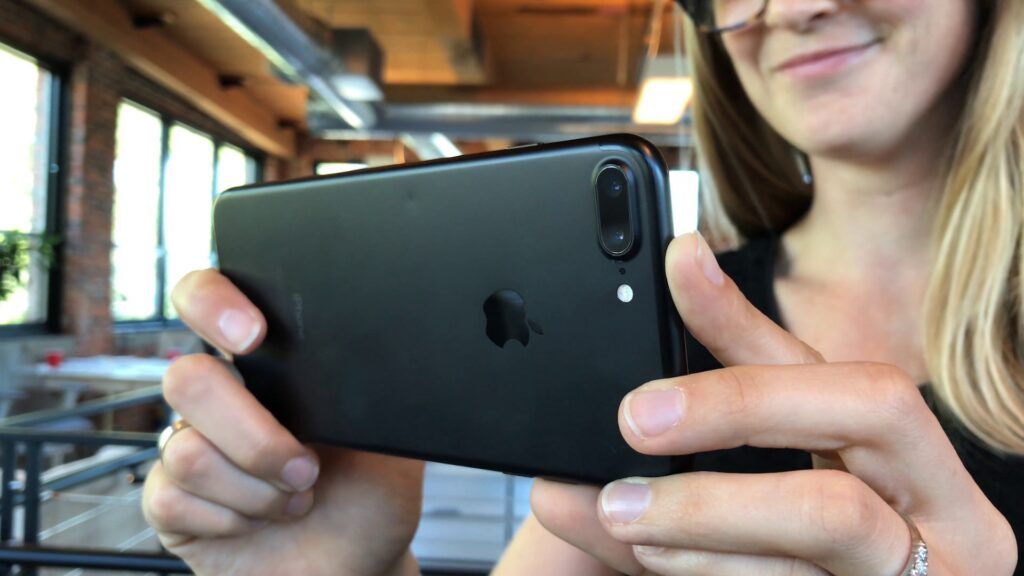
Filming your own ideas is also a great way to simply get better. You will prove to yourself what you already know and at the same time highlight areas you need to find out more about. It also provides a talking point for when you meet others in the industry as most conversations with them will start with the question - so what are you working on?
2. What's your idea? This is the fun part and yet for a lot of people, it's also the most challenging. Whether it’s a good idea or a bad idea is irrelevant, it just has to be an idea that will get you motivated to get up and get out filming.
3. Collaborate with others - it can be very lonely out there, so we would always encourage you to get some friends involved with any project you are doing. Discuss your ideas with them and even use them as your presenters, crew, or actors when required. Get onto your social media outlets and ask other passionate filmmakers to join you on your project. You’ll meet new people and get new perspectives.
4. Publish - let people see what you are making and what you can do. Don’t judge your films to the point where you do nothing with them because in your eyes they are not perfect. Be brave, put them out there on social media channels, and take the feedback. You can decide what comments you listen to and ignore the inevitable trolls that will surface.
As ever, if you have any more questions about starting a career in television or would like to learn a bit more about what we do here at LA Media, just get in touch via email at [email protected] or through the contact page on the website.